
What Is Acupuncture?
Acupuncture involves inserting very thin, sterile needles into specific acupoints to stimulate the body’s natural healing response and balance energy flow. Acupoints are key points on the body that act as gateways for Qi (energy) to move. They are located along meridians—pathways that connect organs and tissues—creating a network that links the surface of the body with its internal systems.
How Does Acupuncture Work?
TCM Perspective:
Qi and Meridians
- According to TCM, health depends on the flow of Qi (vital life energy) through channels called meridians.
- Blockages or imbalances in Qi flow can cause pain or illnesses.
Needle Stimulation
- By placing needles in specific acupuncture points, physicians aim to restore the balance and flow of Qi, alleviating symptoms and promoting the body’s ability to heal itself.
Modern Scientific Perspective
Nerve Stimulation
- Acupuncture points often correspond to areas of high nerve density.
- This may stimulate nerves, muscles and connective tissue, increasing blood flow and triggering the release of natural pain-relieving chemicals like endorphins.
Neurophysiological Effects
- Research suggests acupuncture activates local receptors that send signals to the spinal cord and brain, modulating how the body processes pain and other functions.
Cellular Responses
- Insertion of needles can also release ATP and influence inflammatory responses, further contributing to pain relief and healing.
What Can Acupuncture Treat?
- Chronic pain (back, knee, shoulder, joints)
- Headaches and migraines
- Arthritis and osteoarthritis
- Menstrual cramps and other gynecological issues
- Anxiety, stress, depression, and insomnia
- Digestive problems (IBS, nausea, gastritis)
- Chemotherapy and postoperative nausea/vomiting
- Allergies and respiratory disorders (such as allergic rhinitis, asthma)
- Stroke rehabilitation
- Nerve pain (neuropathy, sciatica)
What to Expect in a Session
Consultation: Practitioners assess your symptoms, pulse, and tongue to guide treatment.
Needle Insertion: You may feel a mild sensation upon insertion (tingling, soreness or slight pain).
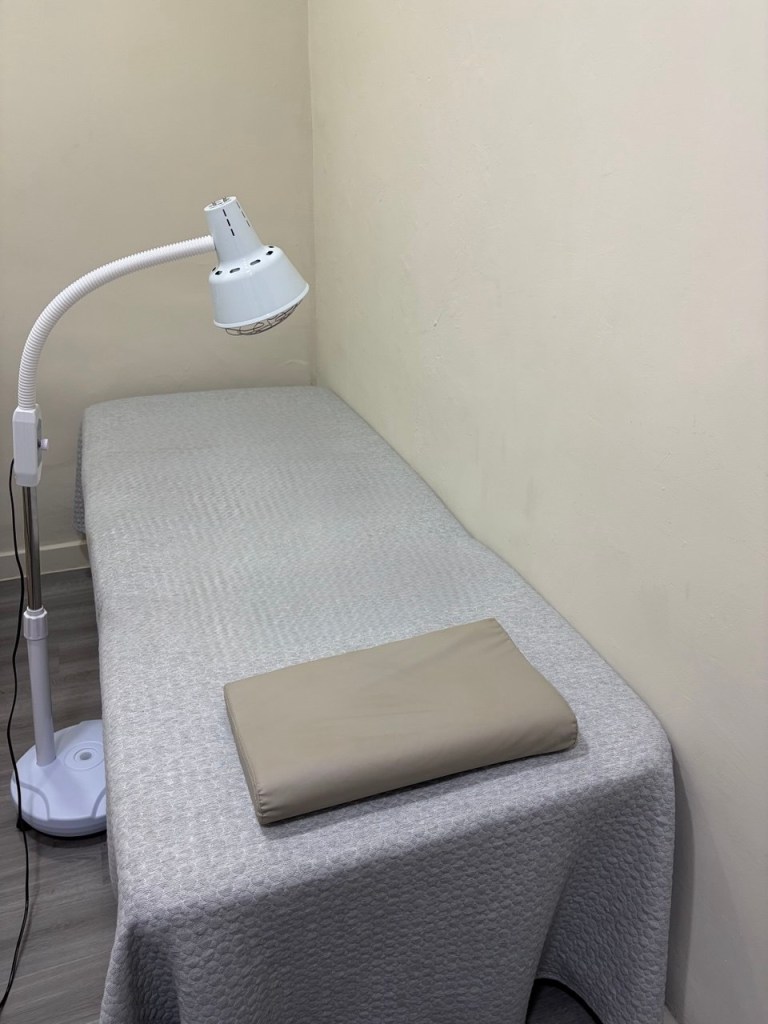
Sessions: Needles are usually left in place for 15–30 minutes while you relax. Some physicians may even leave an infrared heat lamp above the affected area.
Safety and Side Effects: Acupuncture is safe when performed by trained, certified practitioners using sterile needles. Mild side effects can include slight bruising, soreness, or minor bleeding at needle sites.
Introduction to some acupoints
Here are some key acupuncture points commonly used in Traditional Chinese Medicine (TCM) for disease prevention and boosting the immune system:
Stomach 36 (ST36, Zusanli足三里):
Located on the lower leg below the kneecap, this point is renowned for enhancing overall vitality, strengthening Qi (energy), and boosting immune function. It helps build the body’s energy reserves and relieve fatigue.
Large Intestine 4 (LI4, Hegu合谷)
Located in the webbing between the thumb and index finger, LI4 is known for releasing external pathogens like wind and cold, relieving pain, and boosting the body’s defenses. It has anti-inflammatory effects but should be avoided during menstruation and pregnancy.
Lung 7 (LU7, Lieque列缺)
Located on the wrist, this point strengthens lung function, which is the first line of defense against external pathogens such as colds and influenza.
Gall Bladder 20 (GB20, Fengchi风池)
Found at the back of the head, GB20 helps protect the body from external “wind” pathogens, relieves headaches and neck stiffness, and calms the spirit.
These points are often stimulated through acupuncture or acupressure to strengthen immunity, maintain health, and prevent disease. Regular treatment focused on these points can help correct imbalances early before symptoms develop.
Summary of Their Roles in TCM
In summary, Acupuncture is an evidence-supported therapy used worldwide to help balance the body, relieve pain, and treat a variety of conditions.
 Teo Hong Boo TCM Clinic