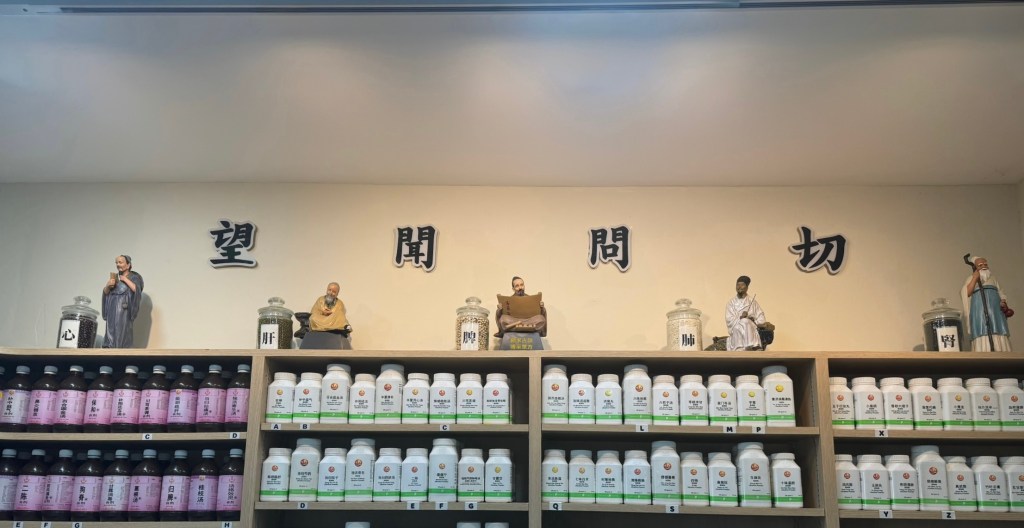
What is herbal medicine?
Herbal medicine is a fundament of TCM, involving the use of natural herbs formulated into remedies. These herbal prescriptions are designed to restore balance within the body by addressing disharmonies of Yin-Yang, Qi, blood, and the Five Elements.
How Herbal Medicine Works
TCM perspective
Balancing Yin-Yang
- Herbs are classified as either cooling or warming to treat imbalances that cause illness.
- For example, a “cold” condition might be treated with warm herbs while a “hot” condition might be treated with cool herbs.
Regulating Qi and Blood
- Poor blood circulation, due to stagnation or qi and blood deficiency, may cause pain and discomfort.
- Some herbs promote the flow of Qi and blood while others nourish deficient organs.
Five Elements and Related Organs
- Herbs correspond to the Five Elements (Wood, Fire, Earth, Metal, Water) that are linked to organ systems.
- Formulas are tailored to strengthen or calm specific organs based on the patient’s symptoms and body constitution.
Customized Prescription
- Herbal formulas are combinations of several herbs with synergistic effects, designed specifically for each patient.
- These formulas are known to treat digestive issues, respiratory problems, stress, chronic diseases etc.
Synergistic Healing
- Different herbs work holistically, supporting the body’s balance, enhancing immunity, reducing inflammation, detoxifying, and promoting healing
Modern Science Perspective
Active Compounds
- Many herbs contain bioactive compounds with anti-inflammatory, antioxidant, antiviral, and immunomodulatory properties.
- By combining these herbs, TCM formulas create a gentle yet effective way to restore balance and promote overall wellness.
Pharmacological Effects
- TCM herbs are able to support immunity, reduce inflammation, regulate metabolism and improve circulation through their natural compounds.
- Clinical studies support the efficacy of specific herbs in treating ailments such as digestive disorders, respiratory infections, and chronic pain.
Personalized Medicine
- In TCM, there is no “one-size-fits-all” approach.
- The combination approach of TCM herbal formulas allows modulation of multiple physiological pathways simultaneously, addressing complex, multifactorial health conditions.
Common Herbs and Their Health Benefits

Astragalus Root
(黄芪)
- Boosts immune function
- Supports cardiovascular and respiratory health
- Improves energy and fights fatigue
- Promotes tissue healing and slows aging processes
Ginger
(生姜)
- Warms the body and improves digestion
- Reduces nausea and motion sickness
- Eases muscle pain and inflammation
- Supports respiratory health and relieves cold symptoms


Licorice Root
(甘草)
- Harmonizes herbal formulas
- Soothes digestive inflammation
- Regulates cortisol levels and supports adrenal health
Cinnamon
(肉桂)
- Warms the channels and dispels cold
- Improves circulation and metabolic function
- Has anti-inflammatory and blood sugar-lowering effects


Turmeric
(姜黄)
- Strong anti-inflammatory and antioxidant
- Supports joint and liver health
- May reduce risk of chronic diseases
Chrysanthemum
(菊花)
- Clears heat and calms the liver
- Helps with headaches, eye strain, and fever
- Supports respiratory and immune function


Goji Berry
(枸杞子)
- Nourishes blood and yin, tonify the liver and kidney
- Supports vision and immune health
- Acts as an antioxidant and anti-aging herb
Angelica Root
(当归)
- Nourishes and promotes blood movement
- Used for women’s health issues like menstruation and menopause
- Supports cardiovascular function

Summary of Their Roles in TCM
Herbal medicine in TCM offers a holistic, personalized, and deeply rooted approach to health by nurturing the body’s balance and stimulating its innate healing capabilities.
Herbs are selected based on their energetic nature (warming, cooling), flavor, and impact on specific organs or channels. They work in synergy to restore balance, regulate Qi and blood flow, strengthen organ function, and alleviate symptoms. TCM herbs are tailored to individual needs and formulated as powders, capsules, or decoctions.
 Teo Hong Boo TCM Clinic